
+44 (0) 800 319 6032
When your IT stops working, your business does not have long to react. Staff may lose access to systems, clients may struggle to get answers and important work can quickly fall behind. Payments, files, emails, phones, applications and projects may all be affected.
Northern Star provides business continuity services London organisations can use to reduce disruption, protect essential operations and respond more effectively when something goes wrong.
We help businesses prepare for realistic incidents, including:
The aim is straightforward: keep your business working, protect important data and give your people a clear plan to follow during disruption.
Business continuity planning focuses on how your organisation will continue operating when normal processes, locations, systems or suppliers become unavailable.
A useful plan should not be a generic document stored away and forgotten. It should reflect how your business actually works, which services are most important and what your staff will need during an incident.
Northern Star supports London businesses with day-to-day IT management, cloud services, cyber security, technical account management and practical continuity planning. This helps us create arrangements shaped around your real users, systems, locations and suppliers.
Our approach can help you:
For wider technology support, Northern Star’s IT support and management service can help keep your users, devices and systems properly maintained day to day.
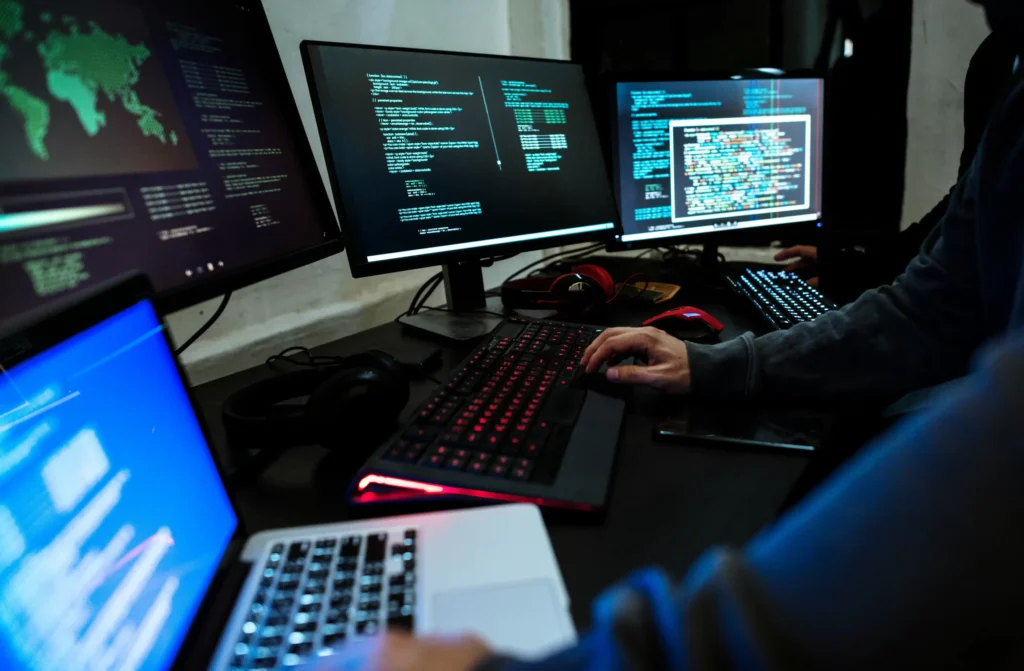
Many organisations only consider continuity after a serious incident has already happened. At that point, the first few hours can become confused and expensive.
Staff may not know who to contact. Managers may be unsure which systems should receive priority. Important information may be stored on an unavailable device. Access to cloud services may be blocked because of an account or security issue.
Even when backups exist, the business may not know what is protected, how current the information is or how long it will take to make it available again.
Effective business continuity planning addresses these questions before pressure arrives.
Northern Star can help you review:
Our IT consulting service can also support wider planning where your business needs to review ageing systems, cloud adoption, security risks or long-term infrastructure requirements.
Modern businesses rarely depend on one office and one local server. Employees may use Microsoft 365, cloud storage, hosted applications, laptops, mobile devices, remote access tools and external supplier platforms.
This flexibility can help staff work from different locations, but it also creates additional dependencies. An organisation may still be unable to operate if employees cannot access accounts, devices, files or essential applications.
Northern Star reviews the wider technology environment rather than looking at one system in isolation.
Our business continuity support can consider:
Not every system requires the same priority. Some services may need to remain available throughout an incident, while others can be temporarily delayed.
We help you establish practical priorities based on business impact, customer requirements and operational need.
Technology continuity is not only about systems. It is also about helping employees understand how they should continue working when normal arrangements are unavailable.
A business may have suitable tools in place but still experience significant downtime because employees do not know which alternative process to use.
Your continuity arrangements may need to explain:
Clear instructions reduce uncertainty and help managers make decisions using reliable information.
Continuity planning should not focus only on what happens after a problem. It should also reduce the likelihood and potential impact of disruption.
Many IT incidents are preceded by warning signs such as ageing hardware, weak passwords, poor patching, exposed credentials, unsupported software, unreliable connectivity or unclear responsibility for important systems.
Northern Star can help your organisation review risks across:
Addressing these weaknesses can improve reliability and make it easier to continue operating when an incident occurs.
For cyber risk, our IT security services can help protect users, systems and data from threats that could interrupt everyday operations.
Cyber incidents are an important part of modern business continuity planning. A phishing email, compromised password, malicious software infection or unauthorised account access can quickly affect files, systems and customer information.
An effective plan should explain how the organisation will continue operating while the incident is investigated and contained.
It may need to consider:
Northern Star can support cyber continuity by helping improve:
Our dark web monitoring service can also help identify exposed credentials and leaked business information before they create wider operational risk.
A plan that has never been tested may not work as expected.
Testing can identify gaps before a real incident exposes them. It can show whether staff understand their responsibilities, whether instructions are clear and whether essential data and systems can be accessed when needed.
Testing does not always need to involve a major technical exercise. It can begin with a structured discussion or tabletop scenario.
Northern Star can help your business examine questions such as:
Testing should lead to practical improvements. Findings can be documented, responsibilities assigned and arrangements updated before the next review.
For wider technical assurance, our network penetration testing service can help identify security weaknesses that could affect availability and operational resilience.
Technology changes can create temporary operational risk. Cloud adoption, office moves, software replacements, infrastructure upgrades and Microsoft 365 migrations may all affect access if they are not carefully planned.
Files, email, permissions, devices, accounts and security settings need to be considered before a major change begins.
Our migrations service can support businesses moving between platforms, cloud systems and Microsoft 365 environments.
Every organisation has different priorities.
A professional services firm may depend heavily on email, client documents and time-recording software. A retailer may need payment systems and internet connectivity. A healthcare provider may require secure access to sensitive records. A construction business may rely on mobile devices, project information and communication between sites.
The plan should reflect your actual operations rather than forcing your organisation into a generic template.
Choosing a continuity partner is not only about technical tools. It is about practical experience, communication and an understanding of how technology supports your business.
Northern Star works with organisations that need IT to be reliable, secure and manageable. Our team supports users, devices, cloud systems, security tools and wider infrastructure, giving us a practical view of where disruption can begin and how it may affect everyday work.
Business continuity planning should not become unnecessarily complicated. It should be clear, realistic and useful when your organisation needs it most.
A serious IT incident can quickly become a wider business problem.
Lost productivity, missed deadlines, customer complaints, reputational damage and additional costs can all build up while employees wait for instructions or access to be restored.
The right planning gives your organisation more control. Managers understand what matters most. Employees know what to do. Important information is better protected and decisions can be made using clearer information.
Northern Star can help you review your current risks, improve operational resilience and create a practical plan for keeping your business moving.
Prepare your organisation before an IT problem interrupts everyday work.
Speak to Northern Star about business continuity services London businesses can use to protect important operations, support employees and respond more effectively to disruption.
Business continuity services should include an assessment of the organisation’s most important processes, systems, employees, information and suppliers.
The planning process should identify where interruption would have the greatest impact and establish practical steps for continuing essential work. This may include remote working arrangements, alternative communication methods, access priorities, data protection measures and clear responsibilities for managers and employees.
The plan should be specific enough to guide the business during an incident but simple enough to follow under pressure. It should also be reviewed and tested regularly so that contact details, systems and procedures remain current.
A business continuity plan normally records the main risks that could interrupt operations and explains how essential services will continue.
It may include:
The exact content will depend on the size, structure and working practices of the organisation.
Yes. Smaller organisations may be particularly vulnerable because they often depend on a limited number of employees, devices, systems or suppliers.
If one important employee is unavailable or a key application cannot be accessed, a small team may struggle to continue operating. A practical continuity plan helps the business decide what must be prioritised, who is responsible and how staff can continue working.
The plan does not need to be unnecessarily long. It should focus on the risks most likely to affect the organisation and the actions that will make the greatest practical differe
A business continuity plan should generally be reviewed at least once a year. More frequent reviews may be needed when the organisation changes systems, moves office, adopts new cloud services, changes important suppliers or expands its workforce.
The plan should also be reviewed after an incident or test. This allows the organisation to record what worked, identify weaknesses and improve its procedures.
Contact details, staff responsibilities and technology information can become outdated quickly, so regular reviews are important.
Microsoft 365 can support flexible working by giving authorised employees access to email, files, collaboration tools and communication services from different locations.
However, continuity still depends on secure account management, suitable permissions, multi-factor authentication, reliable devices and clear user procedures.
Organisations should also consider how employees will communicate if one service becomes unavailable, how important data is protected and who has access to administrative accounts.
Northern Star can help businesses review Microsoft 365 configuration, user access and support arrangements as part of wider continuity planning.
Testing can begin with a tabletop exercise in which managers and employees discuss how they would respond to a realistic scenario.
For example, the organisation could consider what would happen if the office was unavailable, email access was interrupted or several employees lost access to an important application.
The test should examine communication, responsibilities, technology access, supplier dependencies and decision-making. Any gaps should be documented and assigned to the appropriate person for action.
More detailed technical testing may be appropriate for organisations that rely heavily on complex systems or handle sensitive information.
Yes. Cyber incidents can interrupt access to accounts, devices, files and communication platforms.
Continuity planning helps the organisation decide how employees should report suspicious activity, how affected systems should be isolated and how essential work can continue while the incident is investigated.
It should also establish who makes decisions, how employees receive instructions and how customers or suppliers will be contacted where necessary.
Cyber continuity arrangements should be supported by appropriate security controls, employee awareness and ongoing IT management.
Speak directly with an experienced specialist — no voicemail maze, no scripted support.
Tell us what is slowing your organisation down. An experienced specialist will help you understand the most practical next step.


6 global locations. One local point of contact. London-based support.
Dependable IT support and cyber security for ambitious organisations in London and around the world.
The Leadenhall Building
122 Leadenhall Street
London EC3V 4AB
Schuman Roundabout 2–4
1040 Brussels
14 Wall Street, 20th floor
New York, NY 10005
33 Rue La Fayette
75009 Paris
75 Broadway, Suite 202
San Francisco, CA
Marina Bay Financial Centre
10 Marina Boulevard
© 2026 Northern Star. All rights reserved.